Share of students (elementary to university)
caring for family members

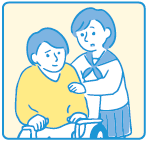
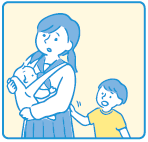
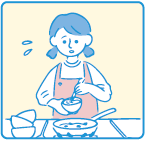
Young carers are children who routinely take on housework and family care that would normally be handled by adults.
The weight of that responsibility can affect their schooling, friendships, and life choices.





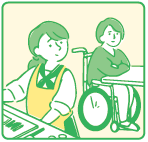




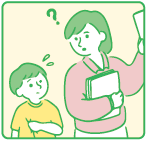
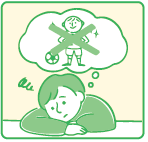
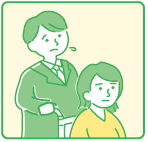


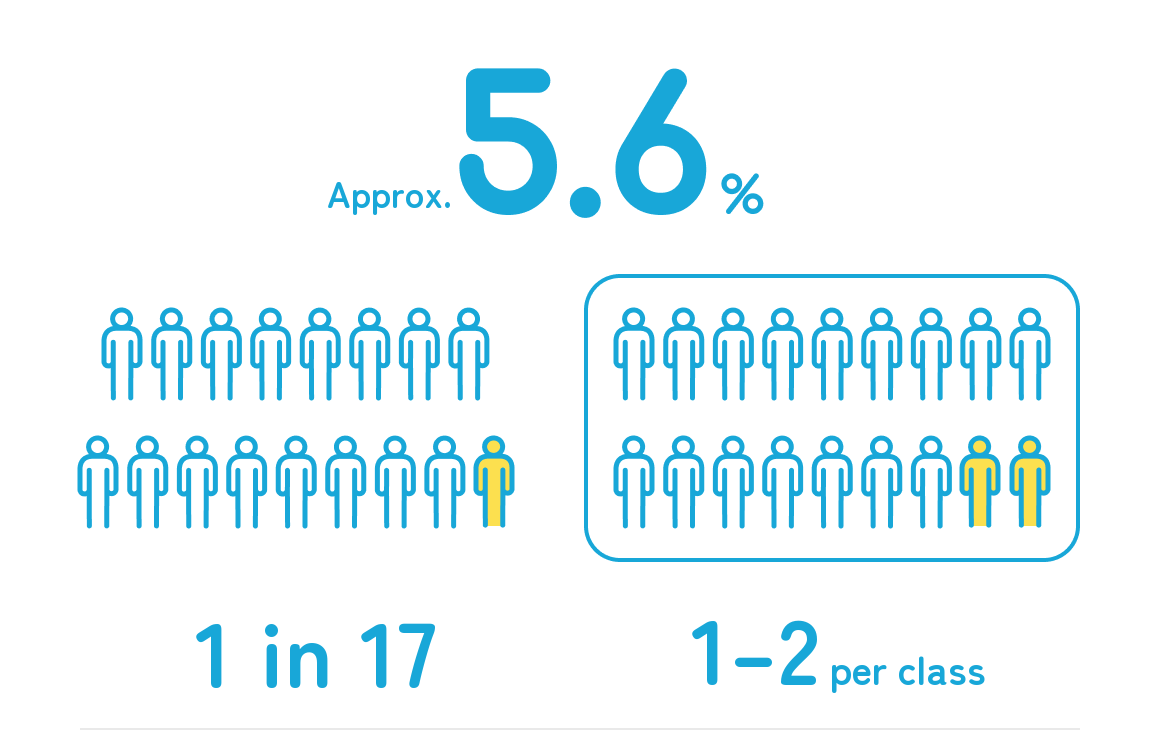
National surveys suggest that as many as 1 in 17 students, from elementary school through university, may be a young carer — they are far from rare.
But the younger the carer, the harder it is for them to recognize their own situation and the care they provide objectively.
Rather than waiting for children to speak up, it is essential that adults notice and reach out first.
Behind a child or young person taking on care, multiple factors are often intertwined in complex ways.
Parental unemployment, unstable employment, or parents absent due to long working hours
Family illness or disability, mental health challenges (including addiction and suicide attempts)
Abuse and neglect, domestic violence, a family member's imprisonment
Separation from a parent, skewed power balances within the family, absence of relatives to rely on
The belief that family problems should be solved within the family

Rushing in without care can put families on their guard and close the door to support.
Keep the points below in mind, and engage in a way that respects the feelings of the young carer and their family.
Traditional welfare practice has typically assessed only the person who needs care and built the support plan around them. Today there is a growing need for assessment and planning that also considers the family members who provide care — especially children and young people — and takes the whole family's situation and needs into account.
Some parents and families actively want support, while others decline it even when professionals judge it necessary.
Children who are young carers may also hesitate to seek help for fear that their family will be blamed.
Rather than imposing solutions from a helper's point of view, listen to what young carers and their families themselves want. On that basis, providing information that supports the child's growth and development is essential.
Caring rarely has a clear end point.
Even when welfare services are in place and things appear settled, circumstances change over time, and issues can resurface when a young carer moves on to higher education, employment, or marriage.
Nor does the end of a long caring role — through residential care, bereavement, or leaving home — necessarily free someone from every burden; many children and young people continue to find life difficult afterward.
Understand the diversity of young carers' situations and maintain ongoing contact so you can notice changes as their lives move through different stages.
Young Carer Coordinators are professionals who support young carers and their families.
Their main role is to understand the challenges a young carer is facing and coordinate appropriate support for the young carer and their family.
If you come across a child or young person who you suspect may be a young carer,
please consult the Young Carer Coordinator in your area.